
Our history
Founded in 2000, the Restena Foundation has its origins in a project launched 11 years earlier, even before Luxembourg was connected to the internet, which quickly allowed educational and research employees in Luxembourg to benefit from a high-performance, dedicated international connection.
1989-1991
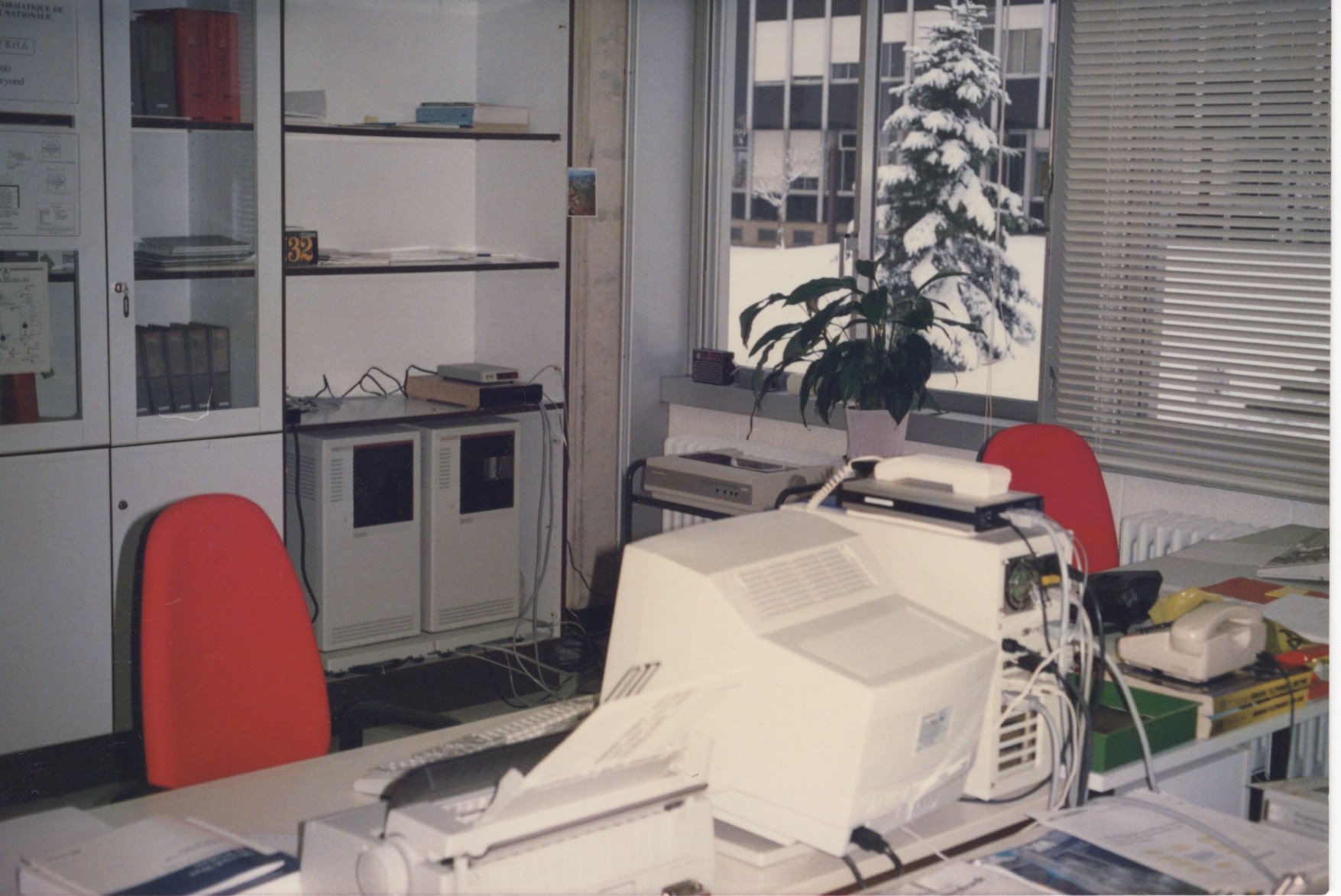
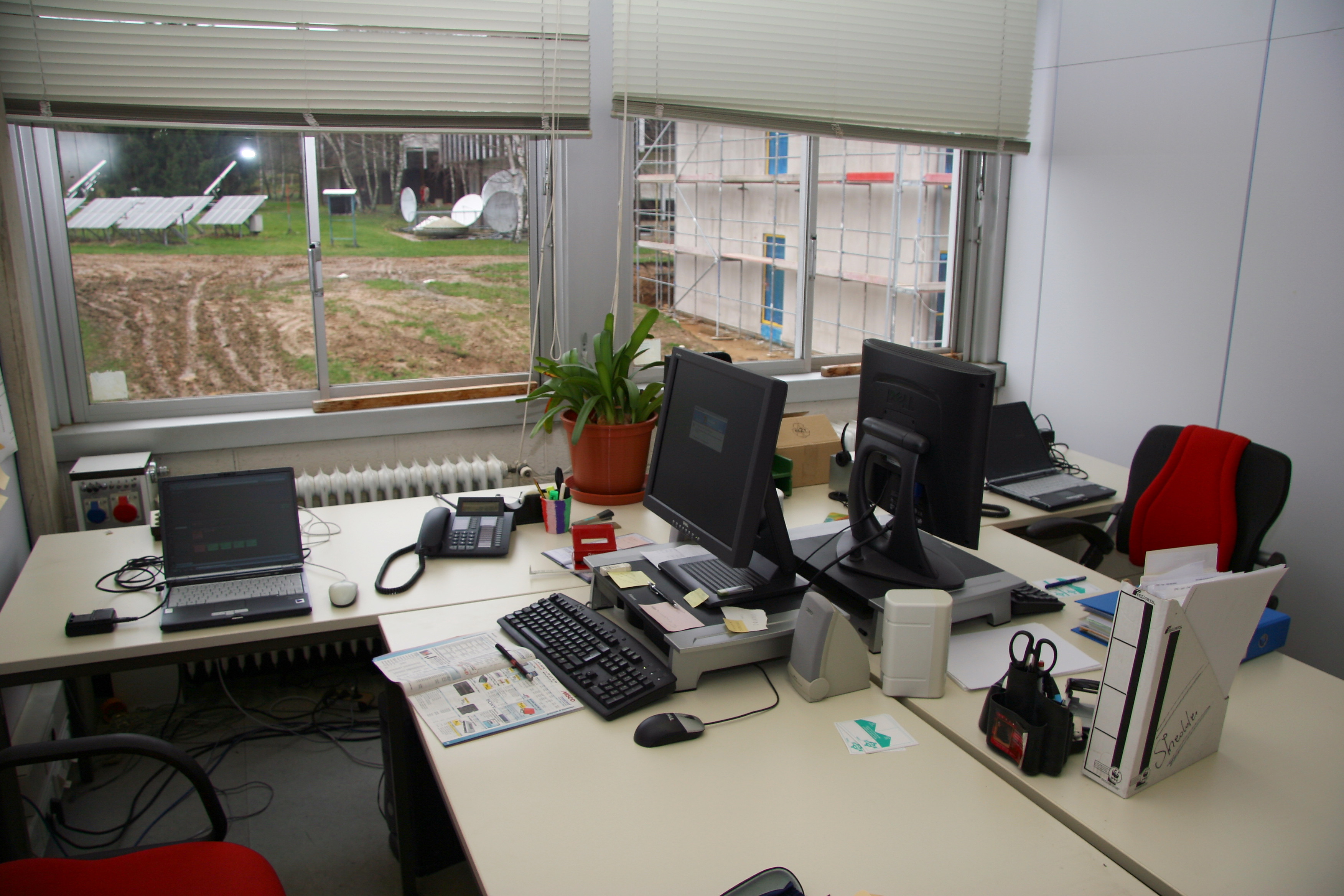
1992
- Obtaining of the authority to manage the .lu domain, through the Internet Assigned Numbers Authority (IANA), allowing us to operate the .lu domain name server.
- International connection to the EuropaNET European network nodes and the United States via IBM, MCI and the National Science Foundation (NSF).
Milestones of 1992
- First connection from Luxembourg to the internet
- 100% of higher education and research establishments connected
- International connection at 64Kbit/s
1993-1999
Milestones of 1997
- Around 2,500 researchers and teachers use RESTENA services to connect to the internet
- International connection at 4Mbit/s
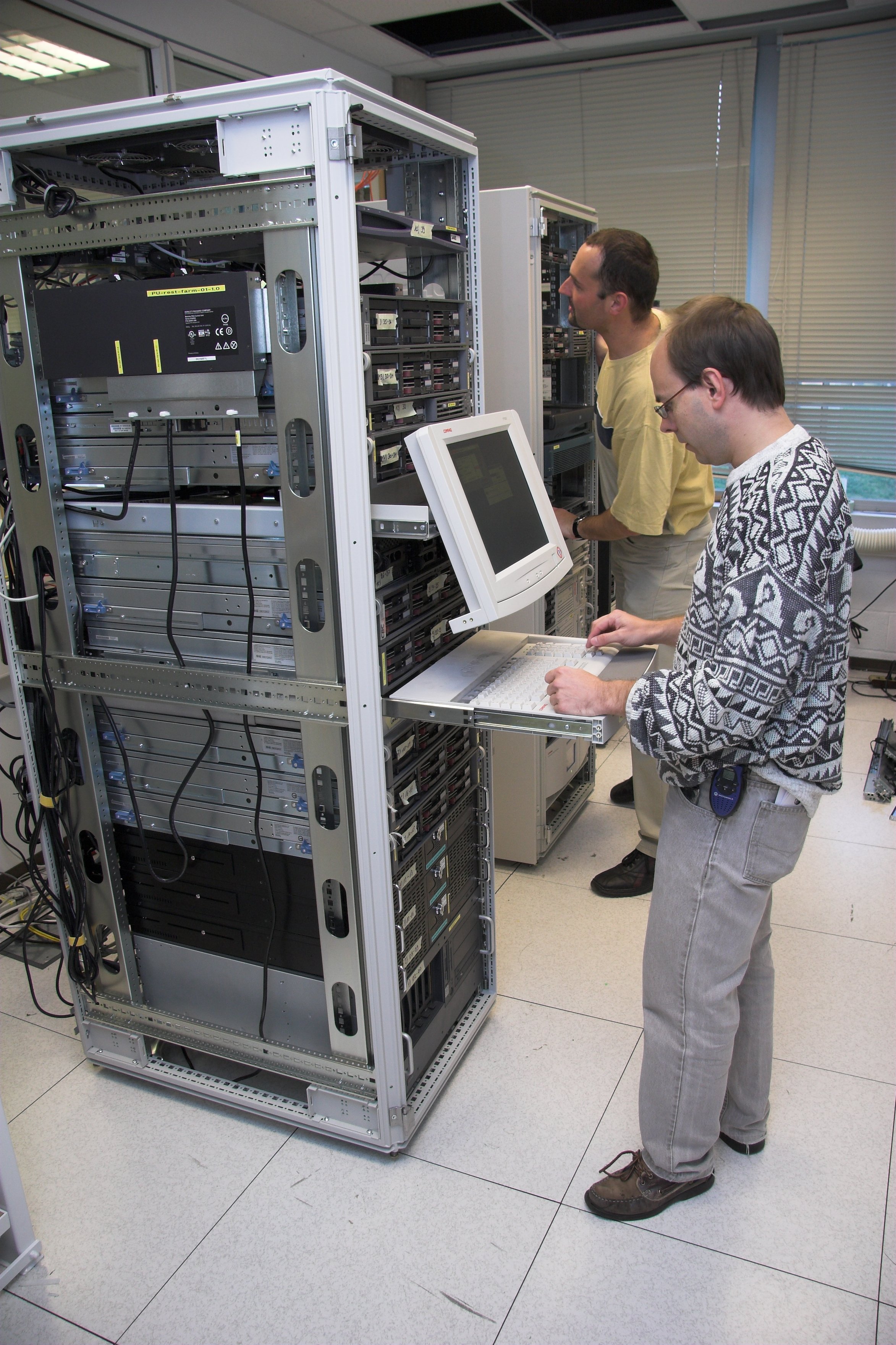
2000
The RESTENA project establishes the Restena Foundation
2001-2009
Milestones of 2008
- Management of 10,000 electronic mail boxes
Milestones of 2009
- 10,000 users of RESTENA services
2010
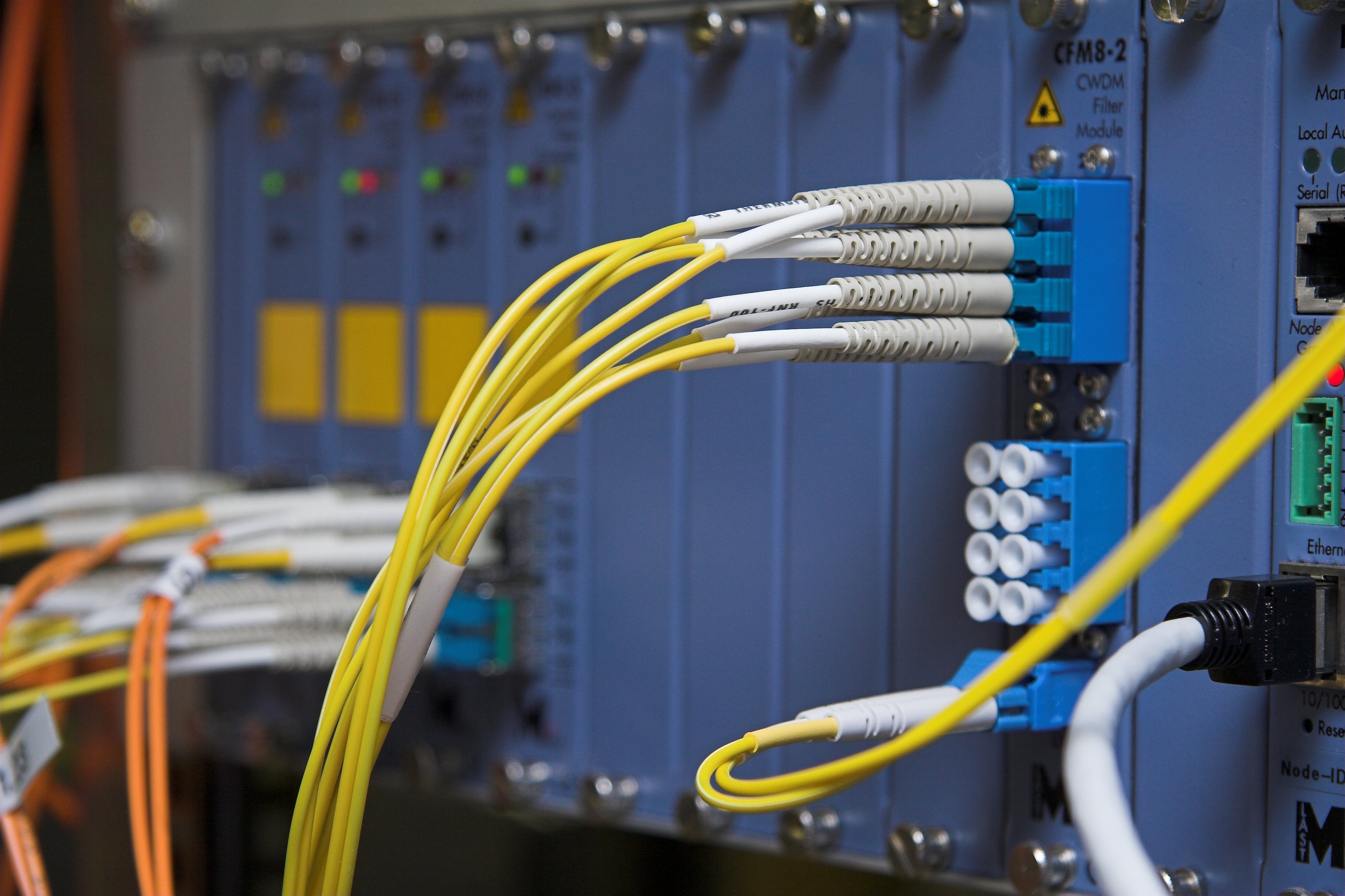
- Creation in Esch-sur-Alzette of a cross-border networking optical node to interconnect Belgian, German, French and Luxembourg infrastructure.
- Establishment of a Computer Security Incident Response Team (RESTENA-CSIRT) to support and co-ordinate the response to IT security incidents in the community.
- Access via the GÉANT network to research networks in Russia and Asia.
2011-2013
2011: Transfer of the Luxembourg Internet eXchange (LIX) Platform to LU-CIX and protection of .lu with cryptographic keys thanks to Domain Name System Security Extensions (DNSSEC) technology.
Milestones of 2011-2013
2011
- 10 active nodes make up the typology of the national network
2012
- GÉANT and Internet connection at 10 Gbits/s
2013
- 15 000 users of Restena services
2015-2019
2015: Relocation of the RESTENA Foundation to the heart of the ‘Cité des Sciences’ in the Belval district of Esch-sur-Alzette.
2016: Handling of the daily technical management of the LU-CIX platform, the internet exchange node of Luxembourg.
2018: Commissioning of 70km of new additional fibre and expansion of the range of services to the cloud.
Milestones of 2015-2019
2015
- Management of more than 79,000 electronic mailboxes
2017
- 45 000 potential users of eduroam in Luxembourg
2019
- GÉANT connection at 100 Gbits/s
- 500 iinstitutions connected to the RESTENA Network
- Registration of the 100,000th .lu domain name
2020-2025
2022: Signature of a first multi-year agreement with the Luxembourg State and ISO/IEC27001 certification for Restena's information security management system (ISMS)
Milestones of 2020-2025
2021
- 12 active nodes make up the topology of the national network